Community Voices
Custodian Voices Podcast Launch
New oral histories featuring volunteer skippers and shipwrights.
02 Dec 2025
Read more
Charting wartime sacrifice and today’s custodians
We keep Britain’s wartime fleet alive in memory and in the water. From the small ships that served in headline operations to those that carried out day-to-day patrols, defence and support duties, our work recognises the full breadth of Britain’s maritime war effort. The sections below set out the vessel types, services and operations we represent, and explain how they shape our three tides of purpose linking wartime service to present-day stewardship.
Living records, vessel files, and newly digitised material make it simple to trace each craft from wartime service to today’s steward, keeping research and remembrance anchored in fact—with new entries already live through OperationDynamo.navy.
We rally crews, historians, and supporters for restorations, slipway work parties, and hearty pie-and-boat chats that spark new partnerships and flotilla plans.
Members stay connected through our official WhatsApp group and share a dit on the Scuttlebutt chat. Scuttlebutt is a Royal Navy term that originally referred to the water cask on a ship’s deck where sailors gathered for a drink, and because it was a natural meeting point it also became the place where rumours and informal chatter spread.
Honouring courage at sea — past and present
A living flotilla of remembrance charting wartime service, preserved vessels, and the crews ashore who safeguard their sea stories today.
We are an association — a community of vessel custodians, veterans’ families, historians, and volunteers — working side by side rather than as a distant institution. Every member shapes how we remember, restore, and sail these stories forward.
The Association brings together vessel custodians, wartime-service descendants, historians, educators and maritime heritage volunteers—all committed to preserving Britain’s small-craft legacy and stewarding it into the future. Below, the four columns define the full range of vessel types, services and operations in which our members may have been engaged:
The Wartime Maritime Memorial Association stands as a guardian of Britain’s wartime fleets — from minesweepers and motor launches to merchant lifelines. Through research, restoration, and storytelling, we ensure every craft and crew are remembered with dignity and a seaworthy future.
We serve descendants, historians, educators, and supporters who share a commitment to remembrance, maritime heritage, and life on the water.
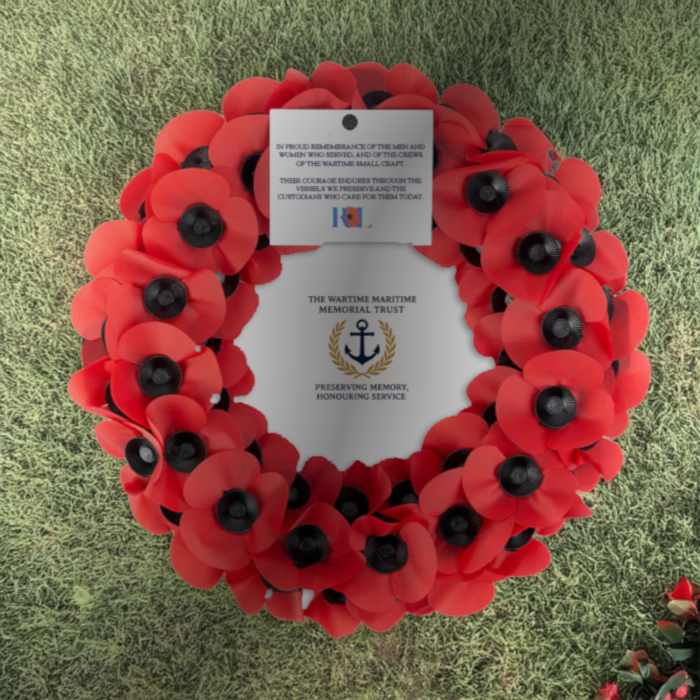
Honour the sailors, volunteers, and coastal forces whose wartime service safeguarded the nation. Explore our roll of honour, discover personal accounts, and participate in remembrance events.
The Wartime Maritime Memorial Association
In proud remembrance of the men and women who served, and of the crews of the wartime small craft.
Their courage endures through the vessels we preserve and the custodians who care for them today.
Preserving Memory, Honouring Service.
Dedicated tributes with biographies, service records, and family recollections.
Share messages, photos, and commemorations from around the world.
Search our digital registry to discover surviving wartime vessels, their history, current custodians, and restoration status. Interactive maps and filtering help you trace stories by fleet, theatre, or service.
Small ships service record registry coming soon!
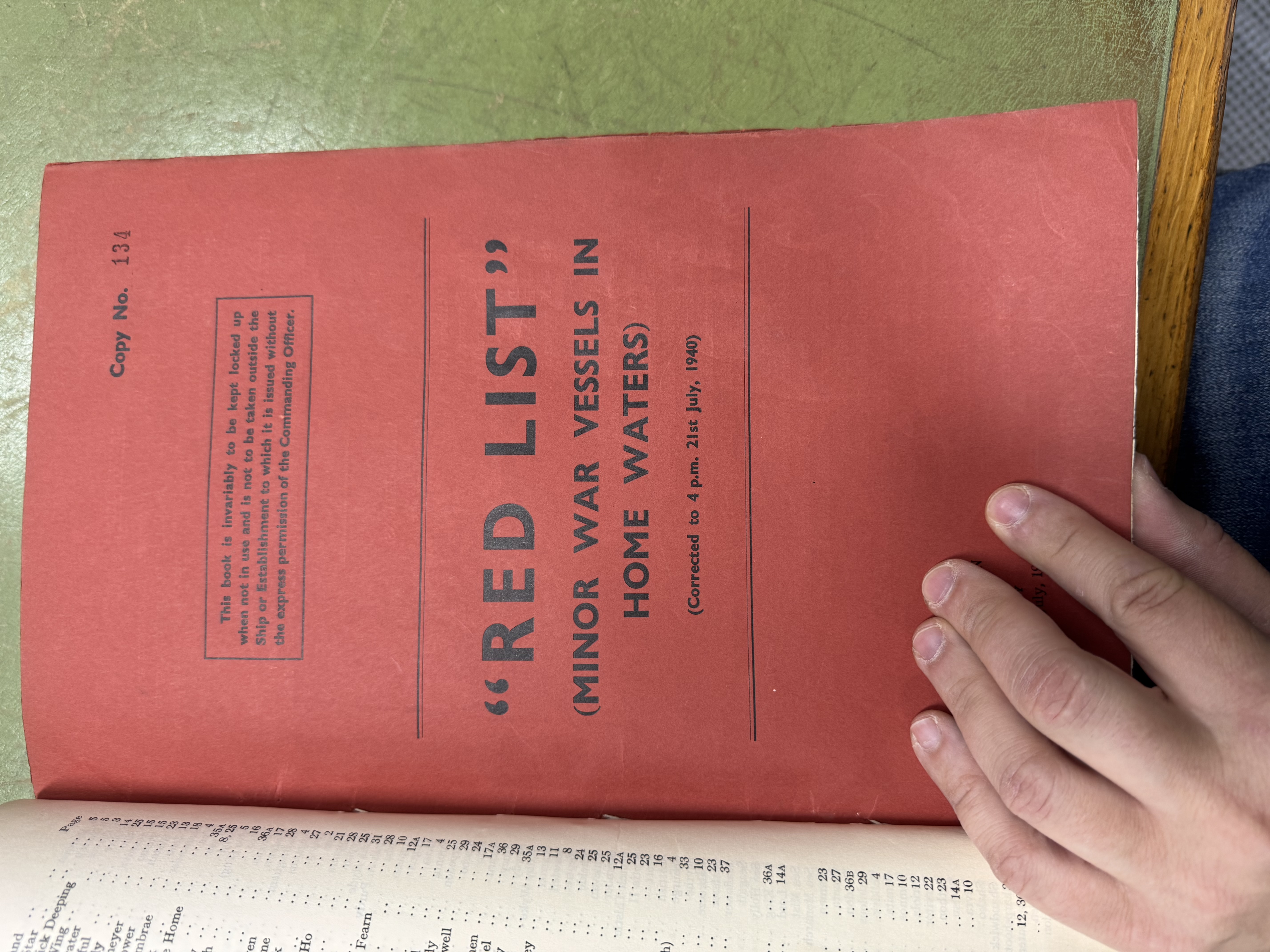
“Every ship that survives does so because someone cares.” Meet the volunteers, restorers, and communities who keep wartime vessels afloat.
Read restoration diaries, listen to oral histories, and follow behind-the-scenes photo essays that celebrate craftsmanship and dedication.
Read Custodian StoriesProfiles highlighting skills, service, and community impact.
Step-by-step coverage of projects supported by the Association.
Connect with commemorations, open days, and flotillas.
Traditional boatbuilding, seamanship, and heritage training.
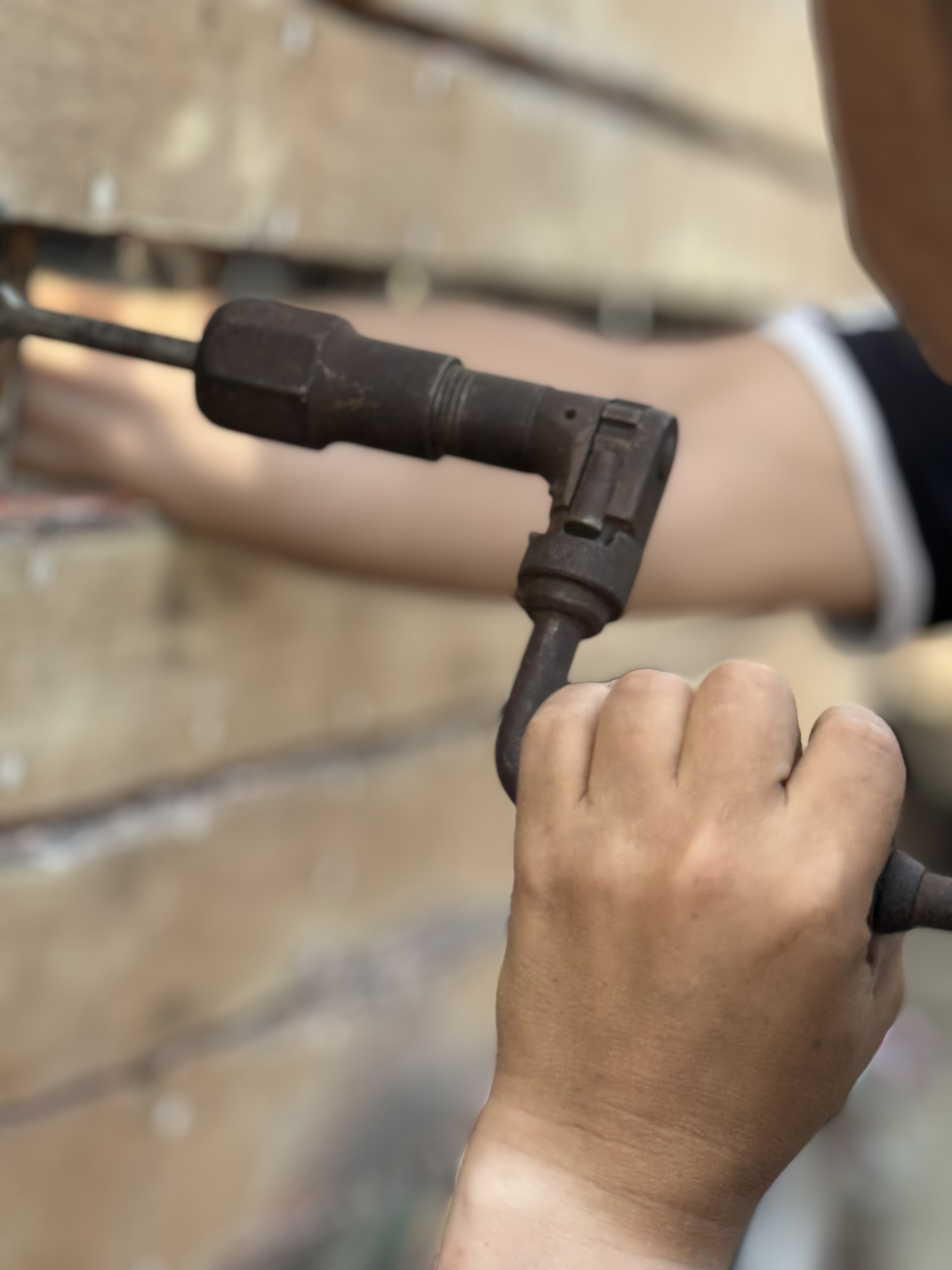
Our signature £300 “Plank Grant” helps wartime vessel custodians tackle the kind of small yet vital repair that keeps a single plank, and a single story, afloat. The award level reflects the material cost of replacing one plank aboard Gerfalcon, a Royal Naval Patrol Service vessel that answered the call to Operation Dynamo and whose devoted custodians inspired the Association and remain close to its activities.
Applications move through quarterly voting rounds, with members using weighted vote allocations to prioritise the repairs that need support. Decisions are published on wartimemaritime.org, and recipients share before-and-after records that feed into our Supported Craft Register.
Board members, Heritage Members, vessel custodians, and Friends of the Charity cast those votes, combining governance insight, specialist expertise, frontline experience, and community backing for each award.
Unlock digitised logbooks, photographs, and oral histories from Operation Dynamo to coastal convoys. Our learning hub supports schools, researchers, and heritage partners with curated resources, and it is our huge ambition to provide KS2 classroom materials alongside Duke of Edinburgh Skills content rooted in this wartime history.
Search and download high-resolution records.
Curriculum-aligned resources for schools and museums.
Audio and video testimonies from veterans and custodians.
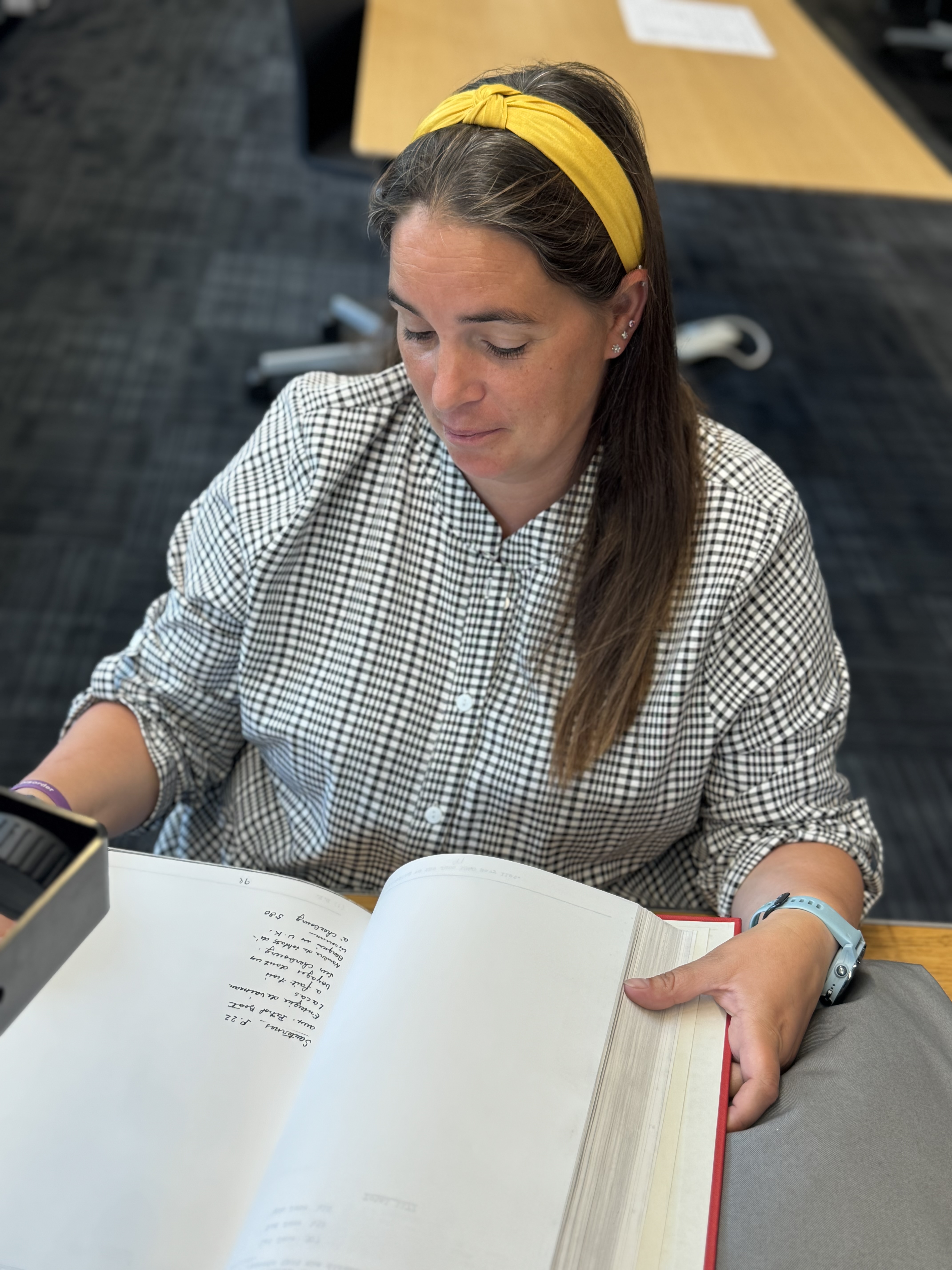
Whether you are a descendant, vessel owner, educator, or supporter, there are meaningful ways to contribute to our mission.
Help fund conservation projects, grants, and educational outreach.
Join our network of heritage professionals and community historians.
Contribute a vessel’s history, photographs, or oral testimony.
Collaborate on research, exhibitions, and community programmes.
Community Voices
New oral histories featuring volunteer skippers and shipwrights.
Grants
Damaged plank replacement funded through the Small Craft Plank Grant Scheme.
Fleet Updates
March 1940 collection now available online for researchers and educators.
Get in touch with our board members and curators for press enquiries, research collaborations, or vessel support.
The Wartime Maritime Memorial Association C.I.C is a Community Interest Company limited by guarantee, meaning we have no shareholders, operate on a not-for-profit basis, and reinvest every pound into safeguarding wartime maritime heritage for public benefit. This status locks our assets for community use and assures partners that our work is independently regulated and mission led.
We treat all personal data with respect and in accordance with our privacy policy.
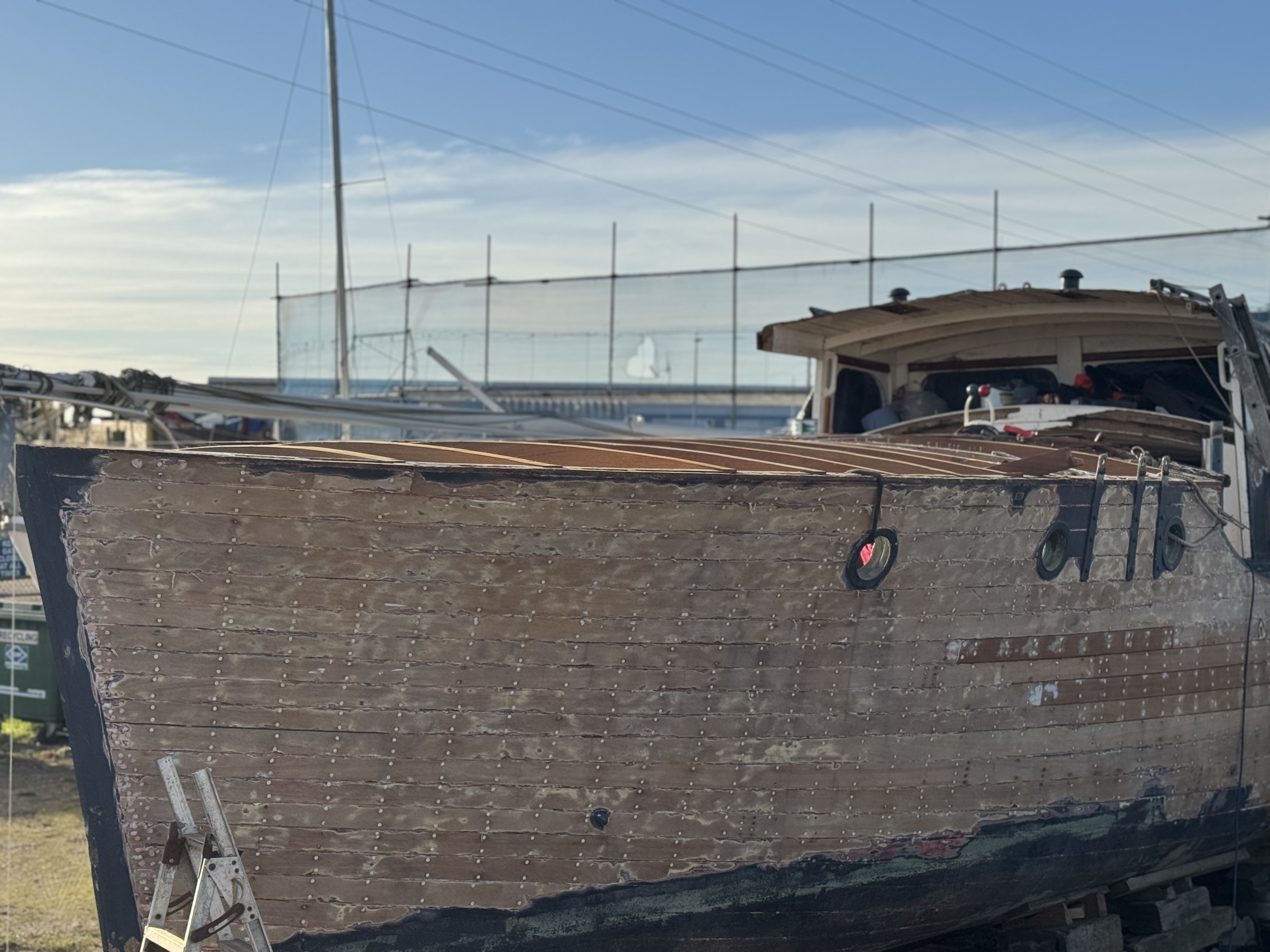
Built in 1937 by William Osborne Ltd. of Littlehampton, Gerfalcon is a 45-foot mahogany motor yacht that served with the Royal Naval Patrol Service and sailed in the Operation Dynamo evacuation off Dunkirk. While she is not an asset of the Association, her private custodians keep her close to our work as a living memorial to the coastal forces who answered the call in Britain’s darkest hour.
Volunteer shipwrights have renewed 32 planks using traditional oak and mahogany, inspiring the Association’s £300 Small Craft Plank Grant Scheme and showcasing the skills we champion. Gerfalcon remains close to our flotilla, supporting remembrance voyages, heritage events, and hands-on training for new custodians.
Community signal flag
Stay connected with custodians and supporters.